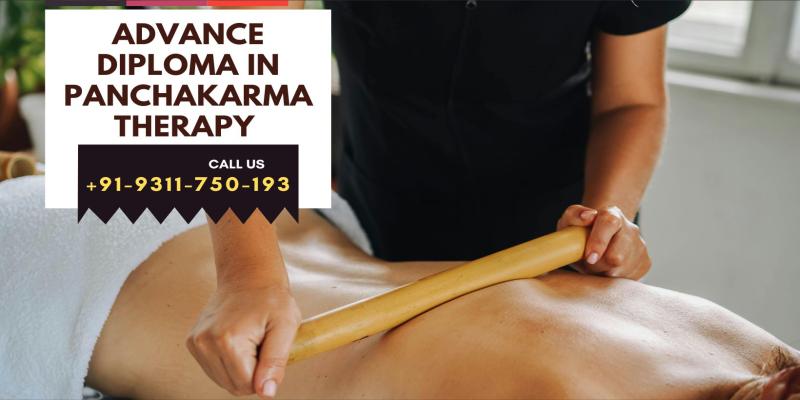
Panchakarma is a traditional Ayurvedic detoxification and rejuvenation therapy aimed at cleansing the body of toxins and restoring balance to the doshas—Vata, Pitta, and Kapha.
It addresses accumulated toxins (ama) from poor diet, stress, and lifestyle, which Ayurveda links to illness and imbalance. The therapy promotes deep healing by purifying tissues, boosting vitality, and enhancing mental clarity.
Panchakarma unfolds in three phases.
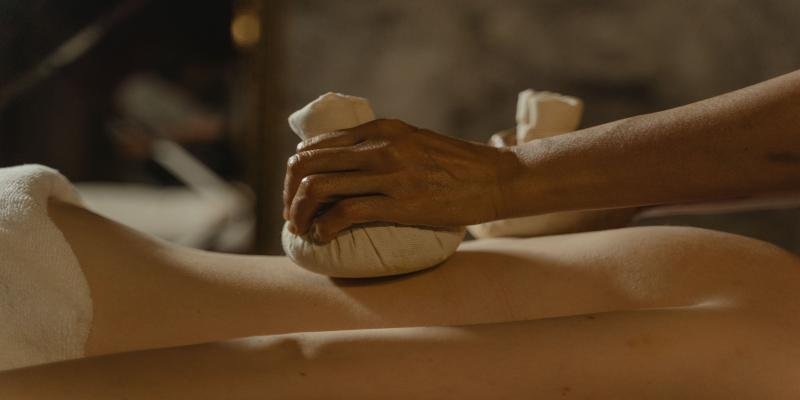
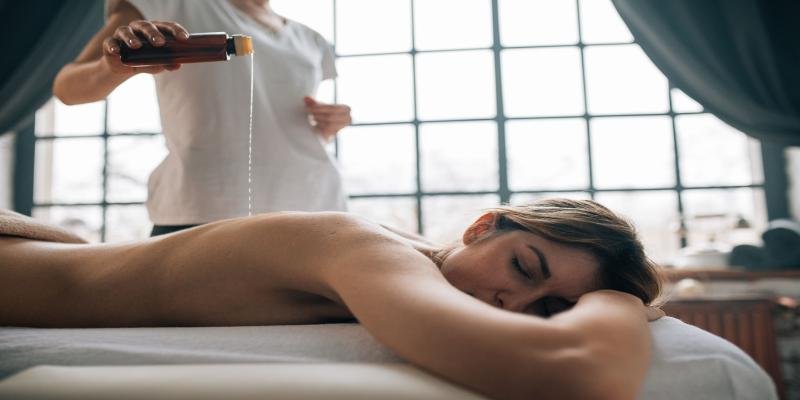
Purvakarma (Preparation): Involves oil massages (snehana) and herbal steam baths (swedana) to loosen toxins.
It's suitable for those seeking detox, chronic ailment relief, or vitality boosts, but requires practitioner consultation first.ayurved.
Panchakarma therapy is a cornerstone of Ayurveda, the ancient system of natural healing that originated in India more than 3,000 years ago. Rather than focusing only on symptoms, Panchakarma aims to cleanse the body deeply, restore balance, and rejuvenate both physical and mental health.
The word Panchakarma comes from Sanskrit: “pancha” meaning five and “karma” meaning actions or procedures. It refers to five therapeutic processes designed to eliminate toxins (ama) that accumulate in the body due to poor digestion, stress, lifestyle habits, and environmental factors.
Panchakarma is not a one-size-fits-all treatment. The therapies are chosen based on a person’s body constitution (prakriti) and imbalance (vikriti).
Panchakarma is usually carried out in three structured stages:
Panchakarma can be beneficial for people dealing with chronic fatigue, digestive disorders, joint pain, skin issues, stress, or those simply seeking preventive care and renewal. However, it should always be performed under the guidance of a qualified Ayurvedic practitioner.
Panchakarma therapy is more than a detox—it is a holistic reset for the body and mind. By removing deep-seated toxins and restoring doshic balance, it supports long-term health, vitality, and inner harmony.