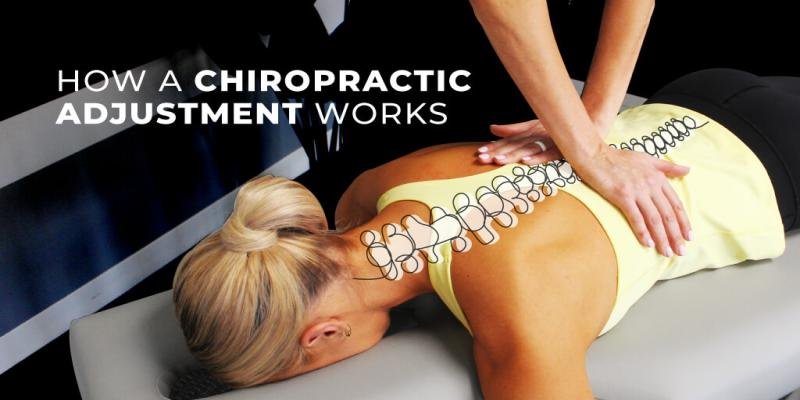
Chiropractic Therapy Techniques and Practices
Chiropractic Therapy Techniques and Practices: What Patients Should Know
Chiropractic care focuses on the diagnosis and treatment of musculoskeletal conditions, especially those involving the spine, and on restoring movement and function while reducing pain. This blog explains common techniques, how chiropractors work, who may benefit, safety considerations, and tips for choosing a provider.
What chiropractic care treats:
- Back pain: low back and mid-back pain from strains, disc issues, or mechanical dysfunction.
- Neck pain and headaches: cervicogenic headaches and tension-type headaches often respond to manual care.
- Joint pain: shoulder, knee, hip, and extremity problems related to biomechanics and soft-tissue imbalance.
- Movement and posture problems: poor posture, reduced range of motion, and gait or ergonomic-related pain.
- Adjunctive care: part of rehabilitation after injury, sports performance support, and preventive wellness.
Core chiropractic techniques
- Spinal manipulation (adjustment)
- Description: A controlled, high-velocity, low-amplitude thrust applied to a spinal joint to restore motion, reduce pain, and improve function. Often produces an audible “pop” from gas release in the joint.
- Typical use: Acute or chronic spinal stiffness and pain, restricted joint motion.
- Mobilization
- Description: Repeated, gentle, lower-velocity joint movements or stretches that increase range of motion without forceful thrusts.
- Typical use: When a gentler approach is needed (older adults, recent surgery, or patient preference).
- Soft-tissue techniques
- Examples: Myofascial release, trigger-point therapy, cross-fiber friction, instrument-assisted soft tissue mobilization (IASTM).
- Purpose: Reduce muscle tension, break up adhesions, improve circulation and tissue mobility.
- Exercise prescription and therapeutic rehabilitation
- Description: Individualized strengthening, stretching, and motor control exercises for core stability, posture, and injury prevention.
- Importance: Helps maintain gains from manual therapy and reduces recurrence.
- Motion palpation and functional assessment
- Description: Hands-on assessment of joint mobility, alignment, and symmetry; often combined with orthopedic and neurologic tests.
- Role: Guides treatment planning and monitors progress.
- Traction and decompression
- Description: Mechanical or manual traction to reduce disc pressure and nerve root irritation.
- Typical use: Discogenic pain or radiculopathy (when appropriate).
- Instrument-assisted adjustments
- Description: Handheld spring-loaded instruments (e.g., Activator) deliver rapid, low-force impulses to targeted areas.
- Use case: Patients who prefer minimal force or have contraindications to thrusting.
- Adjunct modalities
- Examples: Ultrasound, electrical stimulation (TENS), heat/ice, cold laser therapy.
- Role: Pain relief, reduction of inflammation, and facilitation of tissue healing.
What a typical chiropractic visit looks like
- Intake and history: Discussion of symptoms, medical history, red flags (neurologic deficits, systemic disease), and imaging if available.
- Examination: Posture, orthopedic tests, neurologic exam (strength, reflexes, sensation), and motion palpation.
- Diagnosis and plan: Explanation of findings, treatment options, expected course, and exercise recommendations.
- Treatment session: Manual therapy (adjustments or mobilizations), soft-tissue work, home-exercise instruction, and advice on ergonomics or activity modifications.
- Follow-up: Frequency depends on the condition—acute problems may require several visits per week initially, transitioning to fewer sessions as symptoms improve.
Evidence, benefits, and limitations
- Evidence strengths: High-quality evidence supports spinal manipulation for acute and subacute low-back pain, with modest benefit similar to other standard treatments (exercise, NSAIDs). There’s moderate evidence for benefits in some types of neck pain and certain headaches.
- Limitations: Evidence for many conditions is mixed or limited. Outcomes often depend on patient selection, practitioner skill, and multimodal care (combining manipulation with exercise and education).
- Realistic expectations: Many patients see meaningful reduction in pain and improved function; chronic or severe structural problems may need multidisciplinary care, imaging, or surgery.
Safety and contraindications
- Common side effects: Short-term soreness, stiffness, or mild headache after an adjustment—usually transient.
- Rare complications: Serious adverse events (e.g., vertebral artery dissection, worsening neurologic deficit) are rare but reported, particularly after high-velocity neck adjustments in patients with vascular or connective tissue risk factors.
- Contraindications: Unstable fractures, severe osteoporosis, active inflammatory arthritis in the spine, certain infections, malignancy involving the spine, or progressive neurologic deficits. Patients with red-flag symptoms (fever, unexplained weight loss, severe night pain, bowel/bladder dysfunction) require urgent medical evaluation.
- Risk reduction: Thorough history and exam, appropriate imaging when indicated, using lower-force techniques for high-risk patients, and referring to other specialists when needed.
Integrating chiropractic with other care
- Multidisciplinary approach: Chiropractic care often works best when coordinated with primary care, physical therapy, pain specialists, or orthopedics for complex cases.
- Communication matters: Share imaging reports, medications, and major medical history with your chiropractor so they can tailor safe care.
- Complementary role: Chiropractors can manage many mechanical pain problems, provide rehabilitation exercises, and reduce reliance on opioids when used appropriately.
How to choose a chiropractor
- Credentials and licensing: Verify local licensing and ask about postgraduate training in manual therapy, musculoskeletal specialization, or orthopedics.
- Experience with your condition: Ask whether the chiropractor commonly treats your specific problem (e.g., sciatica, neck pain, sports injuries).
- Treatment philosophy: Some practitioners emphasize hands-on adjustments; others use a multimodal approach (soft tissue, exercise, education). Pick one that matches your preferences.
- Safety practices: Ask about use of imaging before high-force treatments, modification for older patients, and protocols for screening red flags.
- Reviews and referrals: Check patient reviews, and ask your primary care provider for referrals if you have complex medical issues.
Practical self-care tips that complement chiropractic therapy
- Maintain regular movement and avoid long static postures.
- Practice ergonomic adjustments at work: screen height, chair support, and foot position.
- Strengthen core and postural muscles with daily exercises prescribed by your clinician.
- Use heat for tight, achy muscles and ice for acute inflammation.
- Stay active within pain limits—complete rest usually delays recovery.
Closing thought
Chiropractic therapy offers a range of hands-on techniques and rehabilitative strategies that can relieve pain and restore function for many musculoskeletal problems. Its greatest value lies in individualized assessment, safe manual techniques, and integration with exercise and lifestyle changes. If you’re considering chiropractic care, discuss your medical history, ask about the practitioner’s experience with your condition, and choose techniques that match your health profile and comfort level.