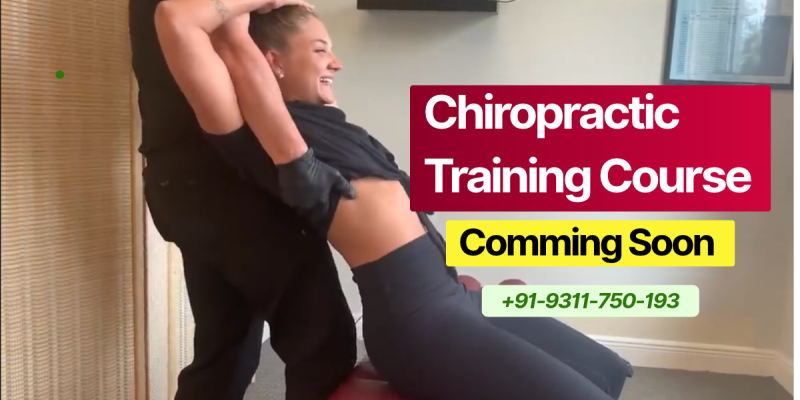

What chiropractors do
A chiropractor may use:
The aim is to restore joint movement, decrease pain and stiffness, and improve function—not to “realign bones” in a way that permanently fixes a joint.
When it may help
|
Situation |
Chiropractic role |
|
Recent or persistent low-back pain |
Often reasonable as a non-drug option; clinical guidance includes chiropractic care for acute low-back pain that persists despite self-care. |
|
Neck or back stiffness from posture, strain, or minor injury |
May reduce pain and improve mobility when the assessment finds no red-flag condition. |
|
Osteoarthritis-related joint pain |
May help symptoms through gentle mobilization, exercise, and function-focused care, but does not reverse cartilage loss. Evidence for manipulation in peripheral-joint osteoarthritis is less established than for low-back pain. |
|
Inflammatory arthritis, gout, infection, fracture, or nerve compression |
Requires medical diagnosis and management first; manipulation may be inappropriate or unsafe. |
What a good plan looks like
Safety and red flags
Common short-term effects can include temporary soreness, stiffness, or headache. Serious complications after lower-back manipulation have been reported, although causation is not always clear; tell the practitioner about osteoporosis, prior spine surgery, bleeding disorders or blood thinners, vascular disease, neurological symptoms, and pregnancy before treatment.
Avoid or delay manipulation and seek urgent medical assessment if you have:
Practical advice
For joint pain, choose a licensed chiropractor who will examine you, explain the diagnosis, obtain consent, and coordinate with your physician or physical therapist when needed. Ask whether a gentle mobilization plus exercise plan is appropriate rather than repeated high-velocity manipulation—particularly for the neck, an osteoporotic spine, or an inflamed joint