Treatment covered in Panchkarma Therapy
Panchakarma therapy covers a structured set of Ayurvedic cleansing and rejuvenation treatments designed to remove deep-seated toxins, restore doshic balance, and rebuild vitality. Below is a clear, clinic-ready explanation of the specific treatments involved, arranged by phase and purpose so readers understand what each procedure does and when it’s used.
Preparatory phase (Poorvakarma)
- Internal oleation (Snehapana): Medicinal ghee or oils are taken internally to soften and mobilize toxins so they can be removed later.
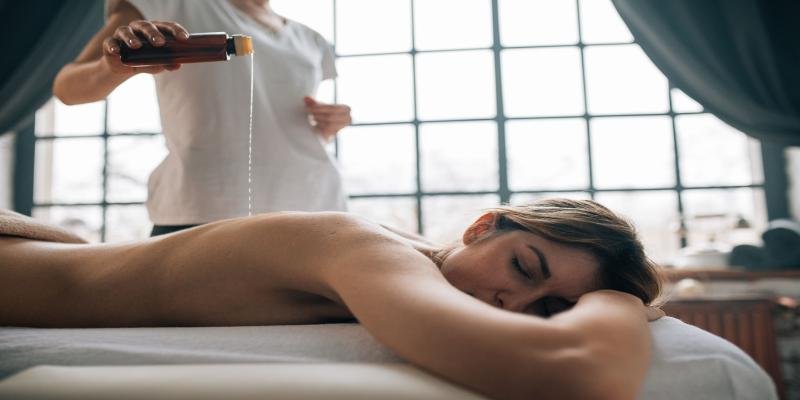
- External oleation (Abhyanga): Full‑body oil massage using herbs and medicated oils to loosen toxins and calm the nervous system before cleansing.
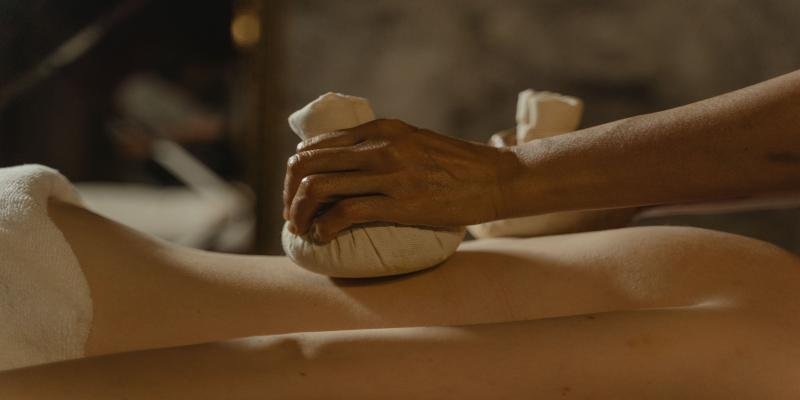
- Sudation (Swedana): Steam or warm fomentation to open channels and liquefy toxins for easier elimination during main therapies.
Primary cleansing procedures (Panchakarma proper)
- Vamana (therapeutic emesis): Controlled, physician‑supervised emesis to expel Kapha‑related toxins from the upper gastrointestinal and respiratory channels; commonly used for Kapha‑dominant disorders.
- Virechana (therapeutic purgation): Herbal purgatives used to cleanse the small intestine and remove excess Pitta and metabolic wastes. This is selected for Pitta‑related imbalances.
- Basti (medicated enemas): Administration of medicated oils, decoctions, or ghee via the rectum to cleanse colon and pacify Vata; considered a central therapy in treating Vata disorders.
- Nasya (nasal administration): Medicinal oils or powders placed in the nostrils to clear head and neck channels, improve sense organ function, and relieve conditions like sinusitis, headaches, and some neurological complaints.
- Raktamokshana (blood purification/bloodletting): Traditional blood‑letting or modern blood‑cleansing approaches used when disease is linked to impure blood; applied selectively for skin and certain systemic conditions.
Post‑cleansing phase (Paschatkarma)
- Dietetic progression: A prescribed, gentle diet (often kitchari and easily digestible foods) gradually reintroduces normal foods while digestion (agni) is rebuilt.
- Rejuvenation (Rasayana): Herbal tonics, nutritional support, and restorative therapies to nourish tissues (dhatus), enhance immunity, and consolidate the benefits of cleansing.
- Rehabilitation therapies: Targeted massage, lifestyle and behavioral advice, yoga, and breathing practices to maintain balance and prevent toxin re‑accumulation.
Common adjunct and supportive treatments
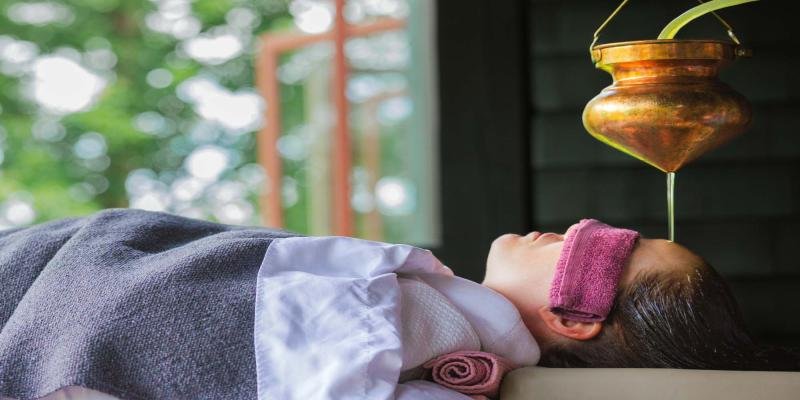
- Specialized oil massages: Shiroabhyanga (head), Udwarthana (powder massage for metabolic support), and Pizhichil (continuous oil pouring) for specific goals such as pain relief, weight management, or nervous system calming.
- Medicinal decoctions and herbal supplements: Personalized internal medicines support detox, correct doshic imbalances, and protect organs during cleansing.
- Panchakarma for specific conditions: Protocols are individualized—programs may emphasize particular therapies (e.g., Basti for chronic low‑back pain, Nasya for chronic sinus problems).
Who should receive which treatment
- Practitioner assessment: An Ayurvedic physician assesses constitution (prakriti), current imbalance (vikriti), medical history, and concurrent medications to choose safe, effective therapies.
- Contraindications and precautions: Serious heart, kidney, liver, or psychiatric conditions require caution or medical integration; pregnant women and frail elderly patients often require modified or avoided procedures.
Practical program structure and duration
- Typical timeline: Short programs can run 7–14 days while comprehensive courses may last 21 days or more; duration depends on goals and the intensity of cleansing required.
- Monitoring and follow‑up: Continuous clinical monitoring during procedures and scheduled follow‑ups afterward are essential to manage side effects and maintain gains.
Illustrative 10‑day sample (example)
- Days 1–3: Preparatory oleation and daily oil massage with steam to mobilize toxins.
- Days 4–7: Main cleansing (example: alternate Basti and Nasya, or Virechana if indicated) under supervision.
- Days 8–10: Post‑therapy diet, rejuvenation herbs, gentle therapies, and discharge with a home regimen.
Safety, evidence, and integration with modern care
- Supervision required: Panchakarma must be guided by qualified Ayurvedic physicians and trained therapists to minimize risks such as dehydration or electrolyte imbalance.
- Research status: Clinical studies indicate benefits for stress reduction, metabolic markers, and quality of life, but larger, rigorous trials are still needed; many clinics integrate modern diagnostics and supportive care.
Short patient note (what to expect)
- The process involves preparatory oiling and steaming, active cleansing procedures that can be physically and emotionally intense, and a gentle recovery period; patients should plan rest time and disclose all medications and medical conditions beforehand.