
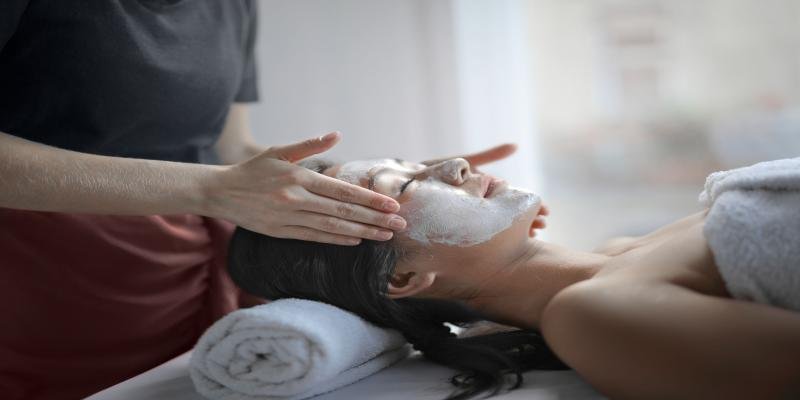
Panchakarma and Pain
The word Panchakarma means “five actions.” In classical Ayurveda, it refers to five cleansing procedures: therapeutic emesis (vamana), purgation (virechana), medicated enemas (basti), nasal administration of medicines (nasya), and, in some traditions, bloodletting. The exact list and method may vary among Ayurvedic schools
For joint and nerve pain, a qualified Ayurvedic clinician may not necessarily use all five procedures. Care is usually individualized and may include preparatory treatments such as oil application and massage (abhyanga), fomentation or steam/heat therapy (swedana), gentle movement, dietary changes, and selected internal medicines. In Ayurvedic theory, many painful, dry, stiff, or radiating conditions are linked to an imbalance of vata.
Use in Joint Pain
Joint pain can result from osteoarthritis, rheumatoid arthritis, gout, injury, infection, or inflammation around a joint. Panchakarma-based care is most often discussed for chronic problems such as osteoarthritis, low-back pain, neck stiffness, and age-related joint discomfort.
Commonly used supportive approaches include:
A systematic review of Panchakarma-based interventions for knee osteoarthritis found that a few randomized studies reported improvements in pain and stiffness, particularly with sudation techniques and enema therapy. However, most studies had important limitations, only a minority reported safety outcomes, and stronger long-term studies are still needed. A broader systematic review of Ayurvedic interventions for osteoarthritis likewise concluded that the evidence was not yet satisfactory overall.
Therefore, Panchakarma may be considered a complementary comfort-focused approach for selected people with stable chronic joint pain, rather than a proven cure for joint degeneration or inflammatory arthritis.
Use in Nerve Pain
“Nerve pain,” also called neuropathic pain, often feels different from ordinary muscle or joint pain. It may cause burning, electric-shock sensations, tingling, numbness, pins-and-needles, hypersensitivity to touch, or pain radiating from the back into the leg.
Examples include:
In Ayurvedic practice, oil massage, heat therapy, basti, and nasya may be offered for symptoms interpreted as vata disturbances. These measures may promote relaxation and provide short-term relief from muscle guarding or stiffness around painful areas. However, evidence is insufficient to conclude that Panchakarma repairs damaged nerves, removes a disc pressing on a nerve, reverses diabetic neuropathy, or reliably treats neurological disease. Reviews of Panchakarma in neurological conditions have noted encouraging early findings but also substantial study-quality problems, including weak trial designs, lack of blinding, and limited follow-up.
For that reason, persistent numbness, weakness, balance problems, or burning pain should be medically evaluated before beginning a cleansing programme.