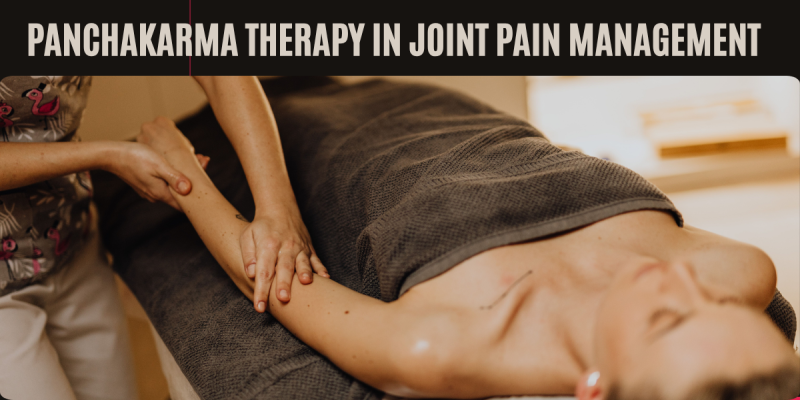
Panchakarma therapy- for joint pain
Panchakarma therapy is a core Ayurvedic detoxification and rejuvenation protocol that is increasingly used as an adjunctive, non‑drug approach for joint pain—especially in osteoarthritis and rheumatoid arthritis (RA). It aims to reduce inflammation, clear metabolic “toxins” (ama), rebalance doshas (particularly Vata), and improve joint lubrication and function through a structured sequence of internal and external treatments.
What Panchakarma is (in brief)
Panchakarma literally means “five actions” and refers to a set of five main cleansing procedures: therapeutic vomiting (Vamana), purgation (Virechana), enemas (Basti), nasal therapy (Nasya), and bloodletting (Raktamokshana). In practice for joint disorders, the full “five” are not always used; instead, clinicians select and sequence specific procedures (often Basti, localized oil therapies, and sudation) tailored to the person’s condition and strength.
How Ayurveda understands joint pain
In Ayurveda, many joint pain conditions map to:
- Amavata – broadly corresponding to rheumatoid arthritis, where impaired digestion creates ama (toxins) that combine with aggravated Vata and settle in joints, causing pain, swelling, and stiffness.
- Sandhivata – broadly corresponding to osteoarthritis/degenerative joint disease, where Vata aggravation leads to dryness, degeneration, and pain in the joints.
Panchakarma targets both the root (digestion/metabolism and toxin load) and the local joint pathology.
Typical Panchakarma procedures used for joint pain
Programs vary by clinic and diagnosis, but common elements include:
1) Preparatory phase (Deepana–Pachana, Snehana, Swedana)
- Deepana–Pachana: Digestive herbs and light diet to “kindle” metabolism and reduce ama before cleansing.
- Snehana (oleation): Internal and/or external use of medicated oils/ghee (e.g., Panchatikta Ghrita) to loosen toxins from tissues and lubricate joints.
- Swedana (sudation/fomentation): Steam, warm bolus (Pinda Sweda), or sand fomentation (Valuka Sweda) to open channels, reduce stiffness, and prepare for elimination therapies.
2) Main cleansing procedures (selected as needed)
- Basti (medicated enema): Considered the primary Panchakarma for Vata disorders like arthritis. Types such as Yoga Basti or Karma Basti are used to pacify Vata, reduce pain, and improve mobility.
- Virechana (therapeutic purgation): Sometimes used in Amavata/RA protocols to clear pitta‑related inflammation and toxins after oleation.
- Vamana, Nasya, Raktamokshana: Used selectively depending on doshic pattern and comorbidities; not routine for every joint pain case.
3) Local joint therapies (often combined with systemic Panchakarma)
These are especially important for knee and other large joints:
- Janu Basti: Warm medicated oil retained over the knee in a dough “reservoir” to deeply nourish and reduce pain and stiffness.
- Sandhi Pichu / Sandhi Lepa: Oil‑soaked pads or herbal pastes applied to joints to reduce inflammation and support connective tissue.
- Dhara/Seka (oil stream), Upanaha (poultice), and various Pinda Sweda (herbal bolus) techniques for localized pain relief and improved circulation.
After the main cleansing, a rejuvenation phase with specific diets, rasayana herbs, and gradual return to activity is typical.
Evidence for joint pain and arthritis
Clinical reports and small studies suggest meaningful benefits, particularly as adjunctive care:
- Rheumatoid arthritis (Amavata): A published case report described a patient with RA treated with Valuka Sweda, Virechana, Basti, and internal oleation; inflammatory markers (rheumatoid factor, CRP, ESR) fell substantially, and pain, stiffness, and swelling improved markedly within about a month. Reviews and clinic guidelines note consistent reductions in pain scores, tenderness, swelling, and improved grip strength after structured Panchakarma protocols.
- Osteoarthritis (knee): A case series of 16 patients with grade‑2 knee osteoarthritis undergoing a “knee rejuvenation” Panchakarma‑based program showed large, statistically significant improvements in KOOS (knee function) scores, pain, symptoms, function, sports/recreation, and quality of life at 1‑month and 90‑day follow‑ups. Other reports highlight benefits of Janu Basti and related local therapies for pain and mobility in knee OA.
Overall, the literature characterizes Panchakarma as offering detoxification, improved circulation, spasm relief, and analgesic effects in pain disorders including sciatica, spondylitis, and osteoarthritis.
What a typical course looks like
- Duration: For arthritis/joint pain, many centers recommend 7–21 days of intensive therapy; 14–21 days is often suggested for deeper, longer‑lasting effects.
- Setting: Usually delivered in an Ayurvedic hospital/clinic with daily therapies, diet, and rest.
- Maintenance: Some protocols advise annual intensive Panchakarma for active RA, with shorter seasonal maintenance sessions.
Safety and integration with conventional care
- Panchakarma is generally considered safe when performed by trained Ayurvedic physicians, but it involves strong interventions (fasting, purgation, enemas, etc.) and should be individualized.
- For RA and other inflammatory arthritides, most integrative approaches position Panchakarma as adjunctive to standard rheumatology care (DMARDs, biologics, etc.), not a replacement.
- People with significant comorbidities, pregnancy, severe anemia, or frailty need careful screening before intensive cleansing.
Bottom line
Panchakarma therapy approaches joint pain by combining systemic detoxification, dosha balancing (especially Vata), and targeted local oil/heat therapies to reduce inflammation, improve lubrication, and restore function. Early clinical evidence—particularly in RA (Amavata) and knee osteoarthritis—suggests clinically relevant improvements in pain, stiffness, inflammatory markers, and functional scores when Panchakarma is properly selected and delivered, often alongside conventional treatment.