Panchakarma Therapy addresses joint pain
Panchakarma therapy is a structured Ayurvedic detoxification and rejuvenation program that is widely used for joint pain, especially in osteoarthritis (OA) and rheumatoid arthritis (RA). It combines systemic cleansing (to reduce “toxins” and balance doshas, mainly Vata) with intensive local oil and heat therapies to relieve pain, stiffness, and functional limitation.
How Panchakarma addresses joint pain
In Ayurveda, joint disorders are commonly understood as:
- Sandhivata – degenerative joint disease/OA, driven by Vata aggravation, dryness, and wear of joint structures.
- Amavata – inflammatory arthritis resembling RA, where impaired digestion creates ama (metabolic toxins) that combine with aggravated Vata and lodge in joints, causing pain, swelling, and morning stiffness.
Panchakarma targets both the root (digestion, metabolism, toxin load) and the local joint pathology through a sequenced protocol.
Core components used for joint pain
Not every patient receives all “five” classical actions; instead, clinicians select and sequence procedures based on dosha, strength, and diagnosis.
1) Preparatory phase
- Deepana–Pachana: Digestive herbs and light diet to improve metabolism and reduce ama before cleansing.
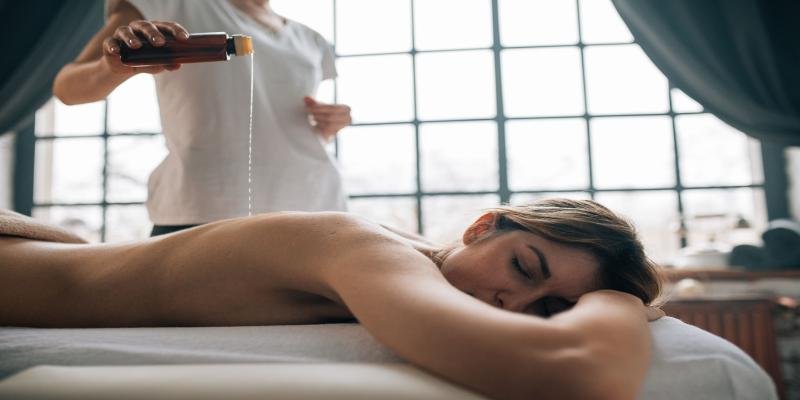
- Snehana (oleation): Internal and/or external use of medicated oils/ghee to loosen toxins from tissues and lubricate joints.
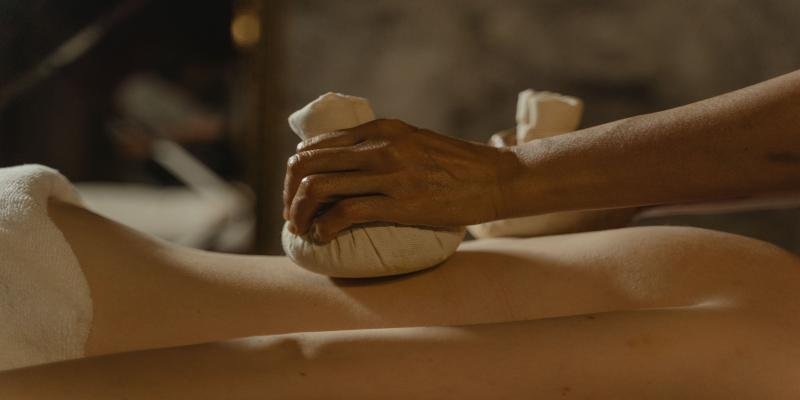
- Swedana (sudation): Steam, herbal bolus (Pinda Sweda), or sand fomentation to reduce stiffness, improve circulation, and prepare channels for elimination.
2) Main cleansing procedures (as indicated)
- Basti (medicated enema): Considered the primary Panchakarma for Vata disorders like arthritis. Both oil enemas (Anuvasana) and decoction enemas (Niruha/Asthapana) are used to pacify Vata, reduce pain, and improve mobility.
- Virechana (purgation): Sometimes added in inflammatory patterns (e.g., Amavata/RA) to clear pitta‑related inflammation after oleation.
- Vamana, Nasya, Raktamokshana: Used selectively depending on the overall doshic picture and comorbidities.
3) Local joint therapies (often combined with systemic Panchakarma)
These are central for knee and other large joints:
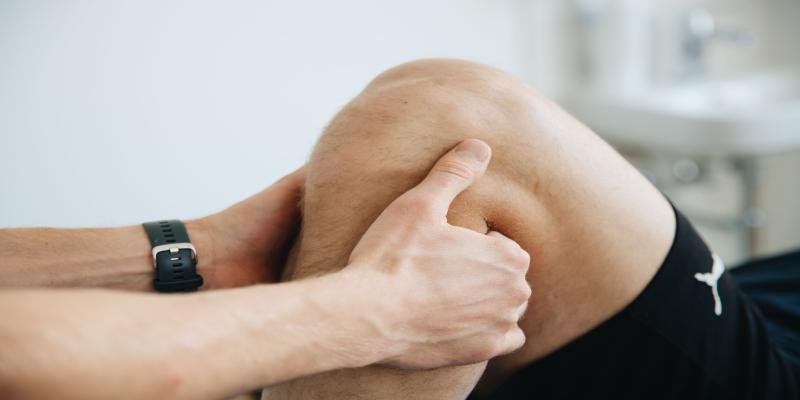
- Janu Basti: Warm medicated oil retained over the knee in a dough “reservoir” (basti yantra) for 30–45 minutes, repeated daily for 7–14+ days. It deeply nourishes the joint, reduces pain and stiffness, and improves range of motion.
- Local Abhyanga (massage) with oils such as Narayana taila, Murivenna, Ashwagandha taila, etc., often twice daily.
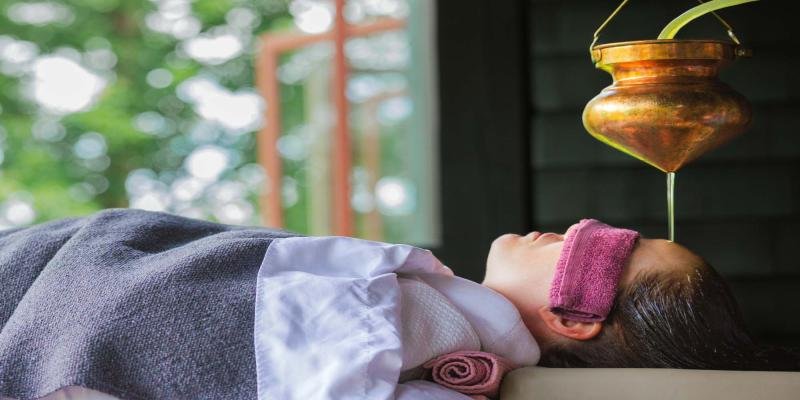
- Pinda Sweda / herbal bolus fomentation, poultices (Upanaha), and oil stream (Dhara/Seka) to further reduce pain and muscle spasm around affected joints.
After cleansing, a rejuvenation phase with specific diets, rasayana herbs, and graded activity helps sustain benefits.
What the evidence shows
Clinical studies and reviews suggest meaningful benefits, particularly as part of integrative care:
- Osteoarthritis (knee OA): Controlled studies report reductions in pain severity, joint stiffness, and functional disability scores after Basti‑based and multimodal Ayurvedic regimens. Secondary analyses of randomized data show that OA patients with higher baseline pain and functional limitation had the greatest improvements in WOMAC scores over 12 weeks with Ayurvedic care. Recent reviews note that Panchakarma significantly alleviated OA symptoms, reducing pain, stiffness, and swelling.
- Rheumatoid arthritis (Amavata): Integrative Ayurvedic protocols combining internal herbs with detoxification procedures have demonstrated improvements in pain scores, morning stiffness duration, and inflammatory markers (ESR, CRP) in controlled clinical contexts. Earlier WHO‑collaborative work assessed Ayurvedic treatment for RA using objective measures (joint counts, grip strength, walking time, ESR, RF), supporting the feasibility of rigorous evaluation.
- Chronic low back pain and other pain disorders: Basti‑based regimens have shown benefits in pain and function, reinforcing Panchakarma’s role in Vata‑type pain conditions.
Overall, evidence characterizes Panchakarma as offering analgesic, anti‑stiffness, and functional improvements in OA and RA, with some studies showing changes in inflammatory markers.
Typical course and practical points
- Duration: For arthritis/joint pain, many centers recommend 7–21 days of intensive therapy; 14–21 days is often suggested for deeper, longer‑lasting effects.
- Setting: Usually delivered in an Ayurvedic clinic/hospital with daily therapies, diet, and rest; local therapies like Janu Basti may be given daily for 10–14 days.
- Integration: For RA and other inflammatory arthritides, Panchakarma is best viewed as adjunctive to standard rheumatology care (DMARDs/biologics), not a replacement.
- Safety: Generally safe under trained supervision, but intensive cleansing (fasting, purgation, enemas) requires individualized assessment, especially in people with significant comorbidities, pregnancy, severe anemia, or frailty.
Bottom line
Panchakarma therapy approaches joint pain through a combination of systemic detoxification, Vata‑pacifying procedures (especially Basti), and intensive local oil/heat therapies like Janu Basti to reduce pain, stiffness, and functional limitation. Clinical data in OA and RA show improvements in pain scores, stiffness, function, and in some cases inflammatory markers, supporting its use as an integrative option alongside conventional treatment